
Large outdoor events offer an atmosphere that indoor venues simply cannot match. Whether you are organizing a multi-day music festival, a high-profile corporate gathering, an expansive community fair, or a sprawling private gala, open-air environments give planners a flexible canvas to create unforgettable experiences. However, that freedom comes with immense operational complexity. When you host an event outdoors, you are not merely renting a room—you are building a temporary city from the ground up.
Every detail requires careful coordination. A minor oversight in site infrastructure can quickly cascade into major operational hurdles, leading to overcrowded entry gates, power disruptions, sanitation problems, or compromised guest safety. To ensure your event runs seamlessly, you need a methodical approach that covers every operational layer. This master guide walks you through the essential stages of outdoor event planning, offering an actionable, step-by-step framework to turn open land into a fully functional, safe, and memorable event venue.
Site Selection, Permits, and Layout Architecture

The foundation of any successful outdoor event rests on thorough venue evaluation and meticulous site layout. Before signing a contract or bringing equipment onto the grounds, you must evaluate the land itself. Topography plays a massive role in event execution. Flat, well-drained terrain is ideal for staging, guest walkways, and heavy equipment access. If you are working on inclined or uneven terrain, factor in the time and expense needed for ground leveling, temporary decking, or trackway matting to prevent heavy production vehicles from sinking into soft turf.
Navigating municipal regulations is equally critical during the initial planning phase. Every jurisdiction maintains strict guidelines governing noise levels, maximum occupancy, temporary structures, and environmental impacts. Work closely with local city planning offices, fire marshals, and health departments to secure all required permits well in advance. These often include special event permits, health certificates for vendors, street closure approvals, and fire safety clearances for temporary canvas structures.
Once permits are secured, design a functional site layout that separates guest spaces from operational zones. Map out clear foot-traffic corridors that allow attendees to move naturally between major attractions, restrooms, and food courts without creating dangerous choke points. Simultaneously, establish a distinct back-of-house operational zone with its own dedicated service roads. This enables production teams, caterers, and emergency vehicles to operate discreetly without disrupting the guest experience. To construct this temporary infrastructure, planners rely heavily on event rentals such as commercial marquees, heavy-duty staging systems, perimeter fencing, portable restroom trailers, and outdoor furniture.
Comprehensive Risk Management and Venue Protection
Outdoor events carry unique liabilities ranging from sudden weather shifts to property damage and medical emergencies. Protecting your organization, your crew, and your attendees requires a multi-layered risk management framework established months before opening day.
Liability protection begins with financial safeguarding. Outdoor venues expose equipment and attendees to the elements, making comprehensive event insurance an absolute necessity. Your policy should cover general liability, property damage, liquor liability if alcohol is served, and cancellation coverage to protect against extreme weather events or unforeseen municipal shutdowns. Require all participating vendors, caterers, and staging contractors to submit certificates of insurance naming your organization as an additional insured party.
Physical security demands an equally rigorous strategy. Establish a secure venue perimeter using high anti-scale fencing and event security guard service to manage access and prevent unauthorized entry. Design controlled entry gateways equipped with distinct lanes for general admission, VIPs, and staff. At these checkpoints, implement consistent screening protocols, including bag searches and metal detection, to ensure forbidden items stay off the premises.
A thorough safety plan also requires comprehensive crowd management. Strategically station trained personnel throughout high-traffic zones, stage fronts, and bar areas to monitor crowd behavior, prevent overcrowding, and maintain overall special event security. Finally, map out clear emergency evacuation protocols. Ensure all primary and secondary emergency exits are wide, well-lit, and clearly marked with illuminated signage.
Power Distribution and Site Utilities
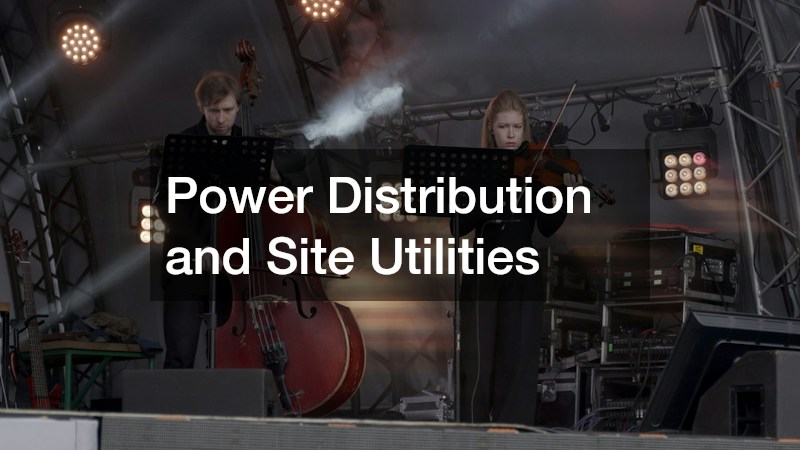
Unlike conventional brick-and-mortar venues with existing electrical outlets, outdoor sites typically possess little to no built-in power infrastructure. Designing a safe, reliable, and adequately sized temporary power grid is one of the most critical technical tasks in event operations.
Begin by performing a comprehensive power audit across all departments. Gather exact wattage requirements from your audio, video, and lighting engineers, as well as food vendors, refrigeration teams, box offices, and administrative trailers. Remember to account for startup surge wattage, which can significantly exceed continuous running wattage for heavy motor-driven equipment like air conditioning units and refrigeration compressors.
To meet these energy demands, you will need to deploy industrial Event Power Supplies, typically consisting of quiet-run diesel generators, primary power distribution panels, sub-distribution spider boxes, and heavy-duty feeder cables. For mission-critical operations—such as main stage audio, safety lighting, and ticket scanning systems—utilize redundant, dual-generator configurations with automatic transfer switches. If the primary generator experiences a mechanical failure, the transfer switch seamlessly flips the load to the backup generator without interrupting the event.
Safety compliance is paramount when running temporary electrical lines across a public site. All ground cables running through pedestrian pathways must be covered with heavy-duty rubber cable ramps to prevent trip hazards and protect the lines from vehicular traffic.
Food, Beverage, and Cold Chain Storage Logistics
Delivering an exceptional food and beverage program outdoors presents significant logistical hurdles, particularly regarding food safety, temperature control, and supply chain continuity. Without a permanent kitchen, you must construct a compliant, fully functional culinary environment on-site.
Designate a centralized catering compound in your back-of-house area equipped with washable flooring, temporary running water lines, gray water disposal tanks, and dedicated power circuits. Ensure that all temporary cooking stations meet local health department and fire safety standards, including proper propane tank storage, fire extinguishers, and handwashing stations.
Maintaining cold chain integrity is crucial when storing raw ingredients, dairy, meat, and beverages in hot weather. Commercial catering teams require reliable refrigeration, including walk-in cooler trailers and dedicated ice machine rental units positioned near primary bar stations. Continuous access to clean ice is vital not only for beverage service but also for keeping food displays at safe temperatures. Assign dedicated utility staff to monitor ice inventory, restock bar bins, and clear meltwater throughout the duration of the event.
Hydration management for attendees is another key operational responsibility, especially during summer events. In addition to commercial beverage sales, install free, potable water refill stations throughout the venue grounds. Ensure these stations are connected to tested water sources or certified bulk water tankers, clearly labeled, and regularly inspected by your site operations team.
On-Site Crowd Control and Guard Operations
A smooth event experience depends heavily on clear crowd control and a visible, reassuring security presence. The goal of crowd management is to facilitate a fluid, stress-free flow of movement while deterring disruptive behavior and maintaining order.
Entry portals are often the first test of an event’s operational efficiency. Design long, orderly queuing mazes using metal barricades or belt stanchions to prevent crowding at ticket scanners. Separate entry lanes into distinct channels: general admission, bag-free fast tracks, ADA accessible lanes, and VIP pathways. Clear directional signage positioned well ahead of the gates helps guests prepare their tickets and IDs before reaching the front, drastically reducing wait times.
Security staff should focus on proactive engagement and de-escalation. Ensure all security personnel are equipped with multi-channel walkie-talkies connected to the main operations command center, allowing them to coordinate rapidly with medical teams or law enforcement if an incident occurs.
Sanitation, Waste Management, and Environmental Cleanup
Sanitation and waste control directly impact guest comfort and public health. Inadequate restrooms or overflowing trash bins ruin the atmosphere of an otherwise well-planned event and can lead to hefty fines from local municipal authorities.
Calculating restroom requirements requires looking closely at guest attendance, event duration, and alcohol consumption. As a standard baseline, provide at least one toilet for every 75 to 100 guests for events lasting over four hours. If alcohol is served, increase that ratio by 15 to 20 percent. Distribute restrooms across multiple locations rather than concentrating them in a single area to prevent long lines and reduce crowd bottlenecks. Include ADA-compliant units, baby-changing stations, and hand-washing or hand-sanitizer stations stocked with soap, paper towels, and fresh water.
Waste management demands a continuous, proactive approach rather than a post-event cleanup effort. Position paired waste bins—one for general trash and one for recycling—every 30 to 50 feet along main walkways, near food courts, and at exit gates. In your back-of-house service area, schedule a large-scale dumpster rental to serve as the central consolidation point for all event waste.
Deploy an active grounds crew to perform continuous trash sweeps throughout the event. This team should routinely empty smaller venue bins into the central disposal units before they overflow, pick up loose litter, and keep food court tables clean.
Guest Transportation, Arrival, and Traffic Flow
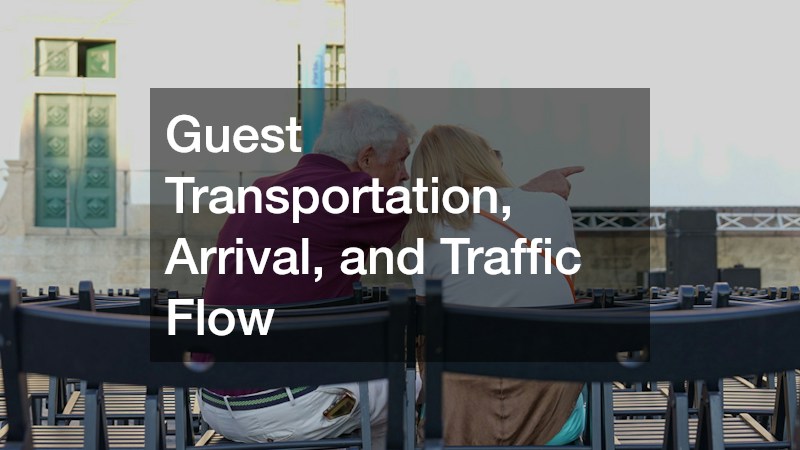
Managing how thousands of attendees arrive at and depart from your outdoor venue is just as important as managing their experience inside the gates. Poor traffic planning causes gridlock on surrounding public roads, frustrates attendees, and creates severe safety hazards for pedestrians.
Begin by developing a comprehensive traffic management plan in coordination with local traffic authorities and law enforcement. Designate clear, separate vehicle routes for general attendee parking, rideshare drop-offs, vendor deliveries, and emergency vehicles. Use variable message signs on approaching roadways to direct drivers to their designated parking areas well before they reach the main venue entrance.
If your venue lacks sufficient on-site parking, establish off-site parking hubs at nearby transit centers or corporate garages. Operating a fleet of continuous event shuttles allows you to move high volumes of attendees smoothly between remote parking sites and the main gate. Ensure these drop-off points are well-lit, fully staffed with traffic marshals, and equipped with clear schedule signage.
For high-density arrival points, hiring a professional special event transportation service ensures that buses, vans, and staff vehicles adhere to strict drop-off schedules without stalling traffic loops.
Executive, VIP, and Corporate Logistics
When an outdoor event includes corporate sponsors, board members, high-profile speakers, or VIP ticket holders, logistics must be elevated to deliver a seamless, premium experience. These guests expect direct access, heightened comfort, and personalized service from the moment they arrive.
High-profile guests require specialized transit solutions that bypass general parking congestion. Providing dedicated corporate event transportation, such as private luxury SUVs, executive vans, or chauffeured sedans, ensures that VIPs arrive relaxed, on schedule, and through private access gates. Designate an exclusive VIP drop-off zone close to the main entrance, complete with dedicated check-in hosts and express security screening lanes.
Inside the venue, construct climate-controlled VIP hospitality suites or executive lounges that offer relief from outdoor weather conditions. These spaces should feature high-end temporary furnishings, private, upgraded restroom trailers, dedicated Wi-Fi networks, and premium food and beverage service.
Additionally, establish clear security and access protocols around executive spaces. Utilize specialized wristbands, RFID badges, or digital credentials to strictly monitor access to VIP areas, green rooms, and sponsor lounges.
Live Execution, Communication, and On-Site Command
On event day, success depends on real-time coordination, clear communication, and adaptable leadership. Once the gates open, your focus shifts from planning to operational execution and incident management.
Establish a centralized Operations Command Center (OCC) in a quiet, secure back-of-house trailer. The OCC serves as the nerve center for event leadership, housing key representatives from production, security, medical, transportation, guest services, and local municipal agencies. Equipping this central room with live crowd-monitoring camera feeds, weather radar displays, and venue map overlays gives command staff complete operational oversight of the site.
Issue clear guidelines for radio etiquette, emphasizing concise language and minimizing chatter so channels remain clear for urgent calls.
Finally, execute the event using a detailed Run-of-Show document. This minute-by-minute timeline tracks stage schedules, gate openings, VIP arrivals, staff shift changes, and vendor load-outs. Having a structured timeline ensures that every department stays synchronized throughout the day.
Once the main event concludes, transition smoothly into demobilization. Execute a controlled egress strategy by illuminating all exit pathways, directing parking lot traffic, and keeping shuttles running until the site is clear.
Using This Guide for Your Next Large Event
Planning and executing a large outdoor event is an incredible feat of operations, logistics, and creative design. While the open-air format provides a dynamic environment for attendees, it demands an extraordinary level of discipline behind the scenes. Success lies in recognizing that an outdoor venue is a blank canvas requiring careful construction of every essential utility, safety system, and transit line.
